Highlights:
The MCX share price is highly sensitive to global commodity cues, so what happens overnight to crude oil or gold often shows up on the chart before markets even open.
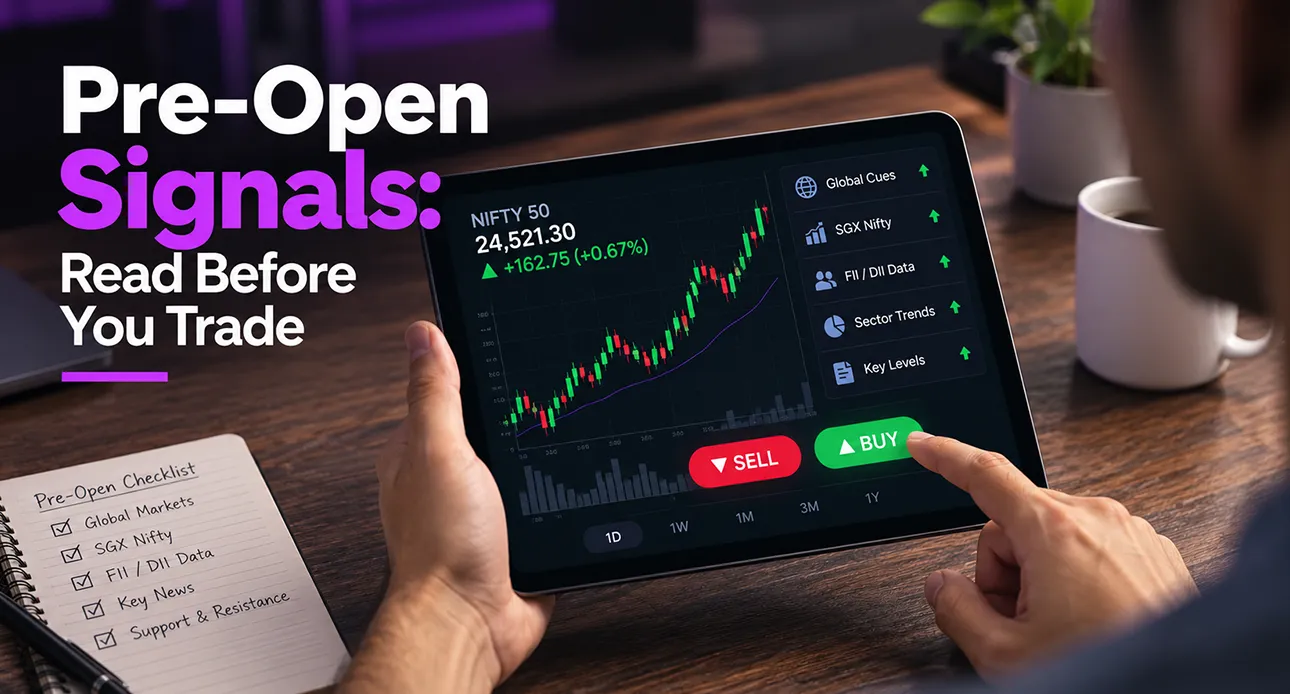
The pre-open market session (9:00–9:08 am) can give an early read on MCX's direction, but it should guide you, not decide your trade for you.
Commodity market timing runs longer than regular equity hours, which is one reason MCX keeps appearing on "stocks to buy today" lists; more trading windows can mean sharper, faster moves.
Log in to your trading account before 9 am, and you'll notice something interesting: the screen looks alive even before markets officially open. That's the pre-open market session doing its job, quietly setting the tone for how stocks, including MCX, might behave once regular trading begins.
If you've ever wondered why the MCX share price sometimes jumps the moment the market opens, this short pre-market window is usually where the story starts.
Let's talk about why so many traders keep an eye on this one stock in particular.
Why MCX Keeps Showing Up in "Stocks to Buy Today" Lists
Multi Commodity Exchange of India, or MCX, isn't your average listed company. It runs the platform where gold, silver, crude oil, natural gas, and a dozen other commodities get traded every single day.
So when commodity market timing shifts say, crude oil turns volatile overnight in the US, or gold reacts to some geopolitical headline MCX's own share price often moves right along with it.
That's a big reason the stock keeps popping up on "stocks to buy today" lists put out by brokerages and finance channels. It's sensitive to global cues, and traders love that kind of movement because it creates opportunity, even if it also brings risk.
If you're someone who checks these lists every morning, you've probably noticed MCX isn't a "buy and forget" kind of stock. It rewards people who actually watch it.
Also Read: US-Iran War & Its Impact on the Global Economy in 2026
What Actually Moves the MCX Share Price?
A few things tend to push it around:
- Trading volumes on the exchange itself. More activity on MCX (in gold, silver, crude, etc.) usually means more revenue for the company, and the stock reacts to that.
- Regulatory news. Any word from SEBI on commodity trading rules, margins, or new contract launches can swing sentiment fast.
- Global commodity cues. Crude oil prices, dollar movement, and international gold rates all filter through, sometimes even before the Indian market opens.
- Broader market mood. Like any stock, it doesn't trade in isolation; a shaky Nifty or Sensex day can drag it down too, regardless of MCX's own fundamentals.
This is exactly why that pre-open market session matters so much for this stock specifically. A trader glancing at indicative prices between 9:00 and 9:08 am can often get an early read on whether the day is going to be a green one or a red one for MCX.
Key Levels Traders Are Watching
Now, here's the part that changes daily, so treat any specific number you read online, including here, as a snapshot, not gospel. What stays constant is how traders think about levels:
| Level Type | What Traders Look For |
| Support | A price zone where buying has stepped in before, cushioning further falls |
| Resistance | A zone where selling pressure has repeatedly capped moves upward |
| Pivot point | The average of the previous day's high, low, and close often used as a quick reference for the day's bias |
| Volume trigger | A price level that, once broken, tends to bring a rush of buying or selling |
Before you place any order, it genuinely helps to pull up a live chart through your trading account rather than relying on numbers from a blog post written earlier in the day.
The MCX share price can shift meaningfully within minutes, especially around the commodity market timing windows when international cues land.
Final Thoughts,
MCX can be a rewarding stock to track, but it's also one that punishes people who trade on tips alone. Watch the levels, understand what's driving the move that day, and use your trading account's charting tools rather than guesswork.
If you're new to reading pre-market cues or commodity-linked stocks in general, it's worth spending a week just observing before putting real money on the line.
Also Read: A Beginner’s Guide to Nifty: Large Cap, Mid Cap and Small Cap Indices
FAQs
1. What is the difference between MCX share price and commodity prices on MCX?
The MCX share price reflects how the company itself is valued in the stock market, while commodity prices are what get traded on its exchange platform. They're related but not the same thing.
2. Why does the pre-open market session matter for MCX specifically?
Because MCX reacts strongly to overnight global commodity moves, the pre-open market window often shows early signs of that reaction before regular trading even starts.
3. Is MCX a good pick from today's stock-to-buy lists?
It depends on your risk appetite. MCX tends to be more volatile than typical large-cap stocks, so it suits traders comfortable with sharper price swings rather than long-term, low-movement investors.
4. How does commodity market timing affect MCX's share price?
Since commodity trading on MCX runs later into the evening than regular equity markets, price-moving events can happen after regular stock hours close, which often gets reflected the next trading day.
5. Do I need a separate trading account to trade MCX shares?
No, a regular trading account with a stockbroker that lists MCX is enough for buying the stock. A separate commodity trading account is only needed if you want to trade the commodities themselves, like gold or crude oil futures.